

Croatia – A Mine-Free Country: Global Success Confirmed at the 22nd International Symposium “Mine Action 2026”
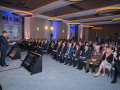
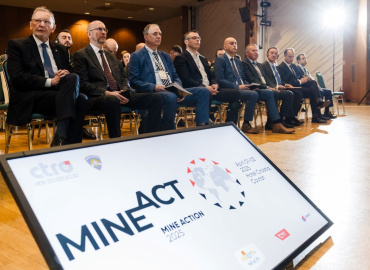
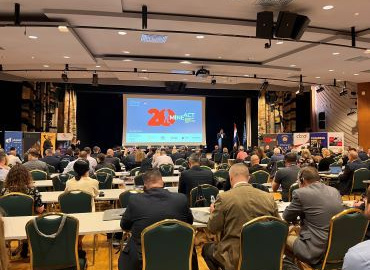
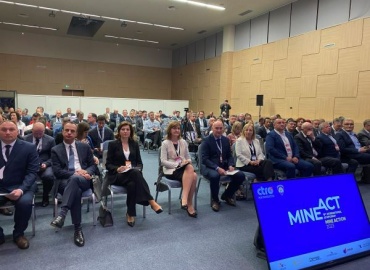
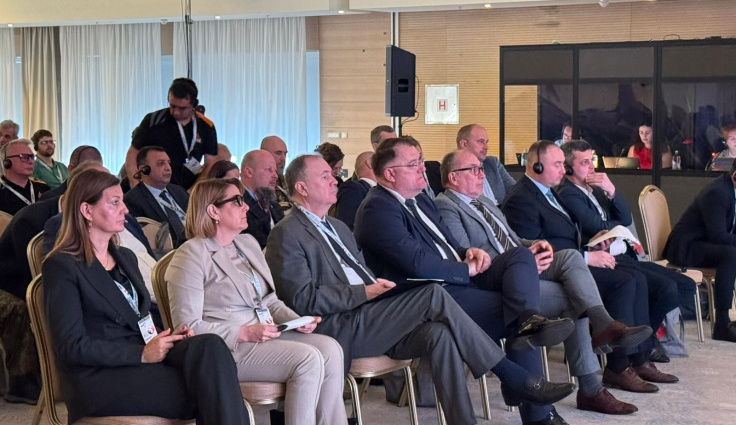
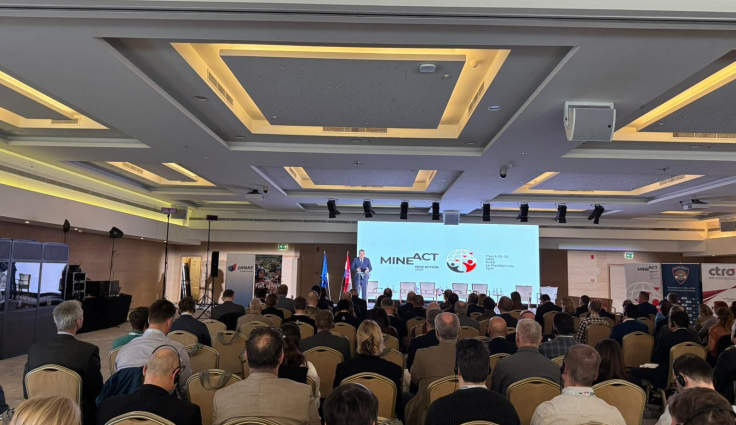
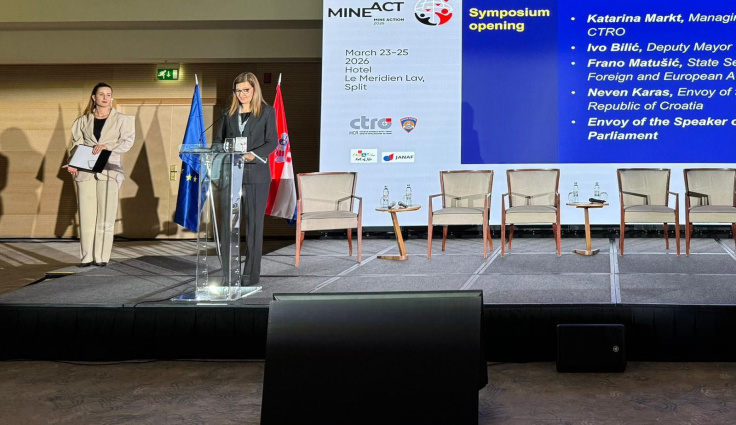
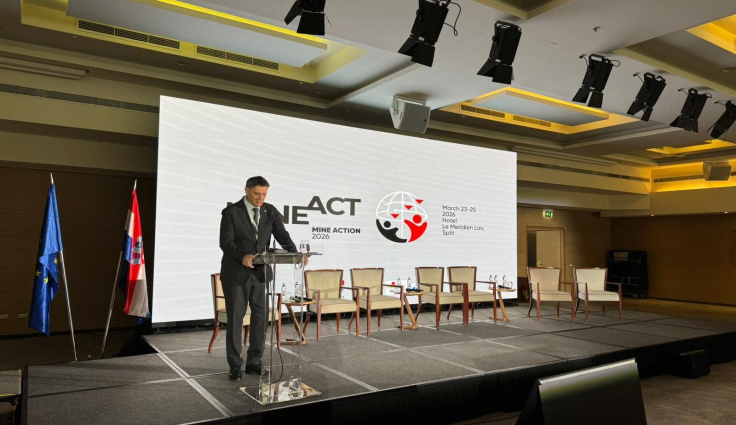
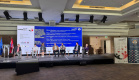
The Republic of Croatia is now officially a mine-free country – a statement that marked the 22nd International Symposium “Mine Action 2026,” held from March 23 to 25, 2026, at the Le Méridien Lav Hotel in Split.
This year’s Symposium was defined by a historic and highly significant milestone, as the Republic of Croatia was officially declared mine-free. This achievement places Croatia in a unique position globally, as a country that has successfully completed a complex and long-term demining process.
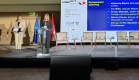
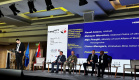
The Symposium was officially opened by Member of Parliament and envoy of the Speaker of the Croatian Parliament, Danica Baričević, who stated:
“In Lika-Senj County, the ‘Caution: Mines!’ sign has forever become a thing of the past in Croatia. Nearly 107,000 mines and explosive remnants of war, along with 470,000 unexploded ordnance, have been removed, at a cost of approximately €1.2 billion.”
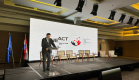
The opening ceremony was also attended by Neven Karas, Acting Director General of the Civil Protection Directorate, who addressed participants on behalf of the Prime Minister of the Republic of Croatia, Andrej Plenković, the Deputy Prime Minister and Minister of the Interior, Davor Božinović, as well as in his own capacity. He emphasized:
“Croatia is a country free from mine danger – after nearly 30 years, the demining process has been successfully completed. More than 570,000 explosive devices have been removed. In the international context, Croatia has become an example of a country that has built its security through its own efforts, as well as a model of successful humanitarian and security policy in Europe, whose experience and expertise can assist other countries facing the same challenge.”
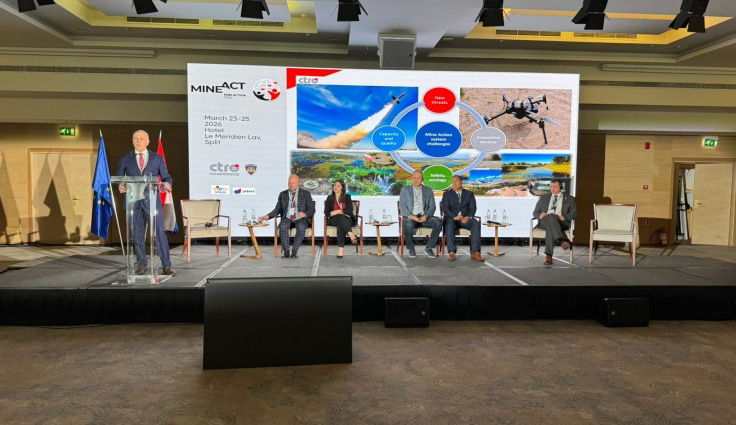
The opening remarks were also delivered by Katarina Markt, Director of the HCR-CTRO (Centre for Testing, Development and Training), who highlighted that since the first symposium in 2004, more than 3,700 participants from 75 countries have attended, and over 470 papers on mine action have been presented. She stressed that this extraordinary success is the result of decades of continuous effort, strong institutional commitment, international cooperation, and above all, the dedication and professionalism of every individual involved in the process.
She also expressed her gratitude to all collaborators, partners, and experts who contributed to yet another international symposium, which will undoubtedly provide new insights as well as solutions for further advancing humanitarian demining.
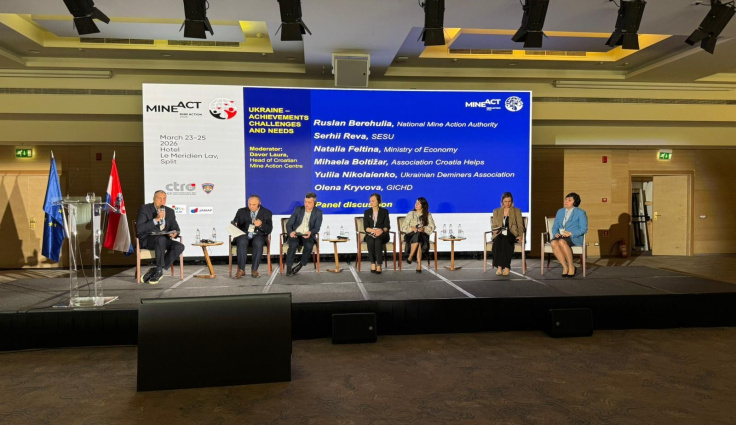
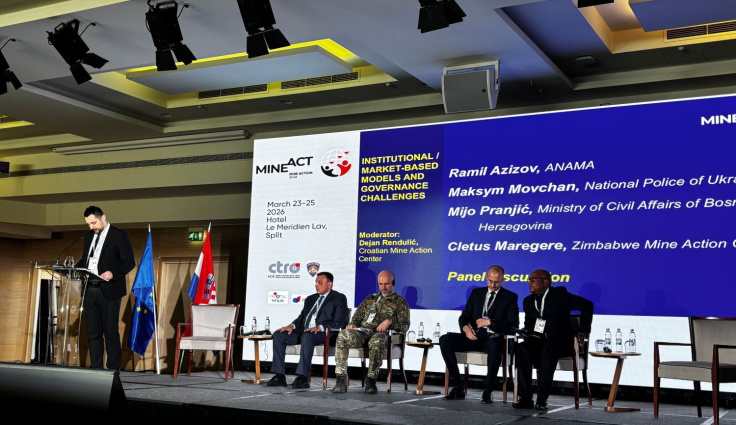
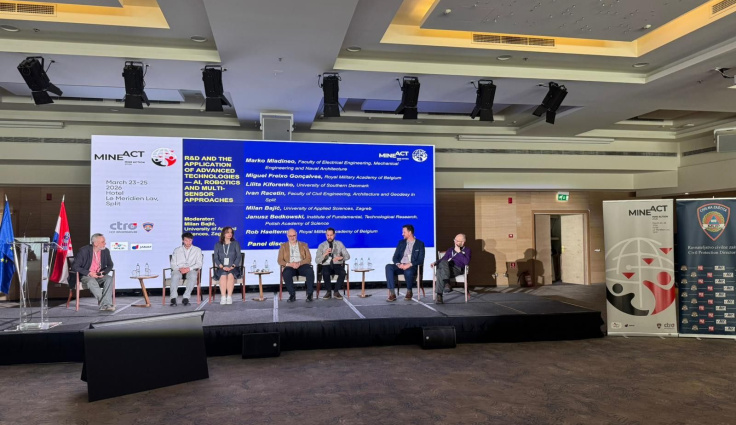
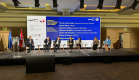
As in previous years, the Symposium also addressed the situation in Ukraine and progress in mine action, new approaches to training and capacity building in humanitarian demining, institutional and market-based management models, as well as research and development of advanced technologies, including the application of artificial intelligence, robotics, and multi-sensor approaches in mine detection.
Special attention was given to experiences from Ukraine, where experts from the national mine action authority, the Ministry of Economy, Environment and Agriculture, the State Emergency Service (SESU), and civil society organizations presented both achievements and challenges encountered in conducting demining operations under active war conditions. In addition to Ukraine, representatives from Azerbaijan, Bosnia and Herzegovina, and Zimbabwe also shared updates on mine action and the implementation of international obligations.
Research and development of new technologies for mine action were also at the forefront of this year’s Symposium. Scientists and experts from Croatia, Belgium, Poland, and Denmark presented the latest research results in mine detection using ground-penetrating radar (GPR), drones, and multi-channel imaging, as well as solutions for georeferencing tools used in humanitarian demining.
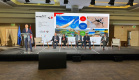
All panels and participants clearly demonstrated that effective mine action today requires a balanced approach: a combination of strong institutional governance, flexible market mechanisms, international cooperation, and innovation, along with continuous adaptation to evolving security conditions in the field.
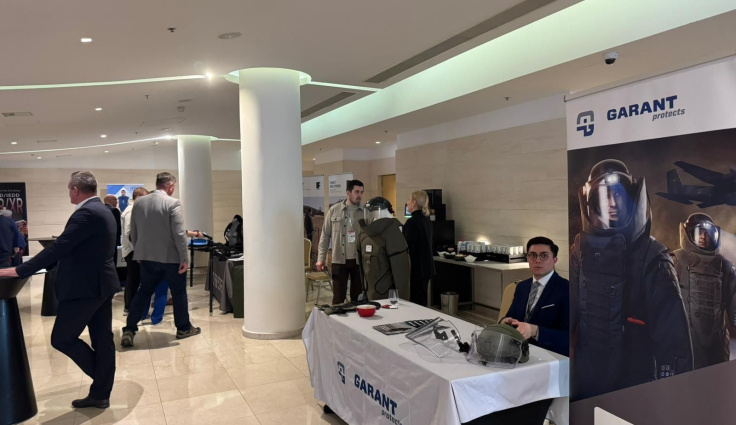
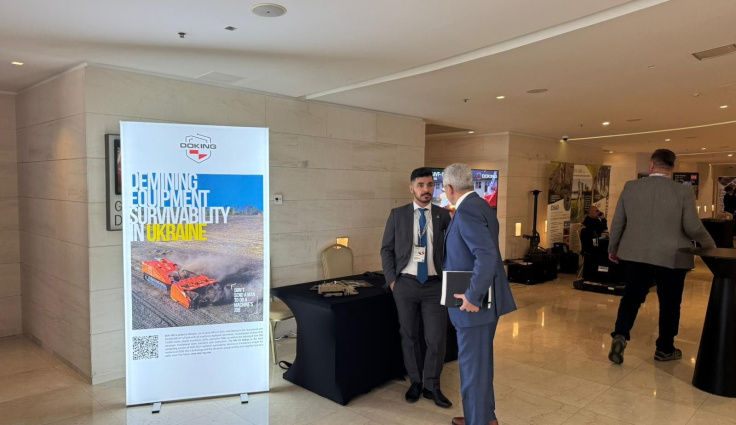
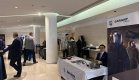
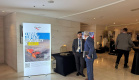
In addition to plenary presentations and panel discussions, a special segment of the Symposium was dedicated to manufacturers of mine action equipment, who showcased their latest solutions in the exhibition area.
Latest news
-

-
-
18. Sept 2026.
CTRO sudjelovao na međunarodnom simpoziju Munitions in the